

Creating a signature look isn't about following every trend or sticking rigidly to one aesthetic. The most compelling personal style emerges when you master the art of mixing classic and contemporary pieces: creating outfits that feel both timeless and distinctly modern. This approach allows you to build a wardrobe that tells your unique story while maintaining sophistication across different occasions and seasons.
The key to successful style mixing lies not in random combinations, but in understanding how different elements work together to create visual harmony. When done thoughtfully, this approach results in a curated personal aesthetic that feels effortless yet intentional.
The Foundation: Understanding the 80/20 Rule
Professional stylists consistently rely on a proven ratio when blending different style periods: 80% modern pieces with 20% classic elements, or vice versa depending on your preference. This formula prevents any single era from overwhelming your look while providing enough character to distinguish your style from generic contemporary fashion.
Starting with one powerful anchor piece sets the foundation for your entire outfit. This could be a timeless trench coat, a well-tailored blazer, or a statement handbag that becomes the focal point around which everything else flows. Position this standout piece against complementary basics to maximize its impact: a vintage silk scarf transforms a simple white button-down, while contemporary accessories can modernize a classic pencil skirt.
The distribution matters as much as the ratio itself. Rather than clustering similar pieces together, scatter your classic and contemporary elements throughout your outfit. This creates visual movement and prevents any single style from dominating your overall appearance.
Creating Unity Through Strategic Elements
The secret to successful style mixing lies in finding a unifying element that ties disparate pieces together. This could be color, texture, silhouette, or an overarching theme that creates cohesion despite the mix of eras.
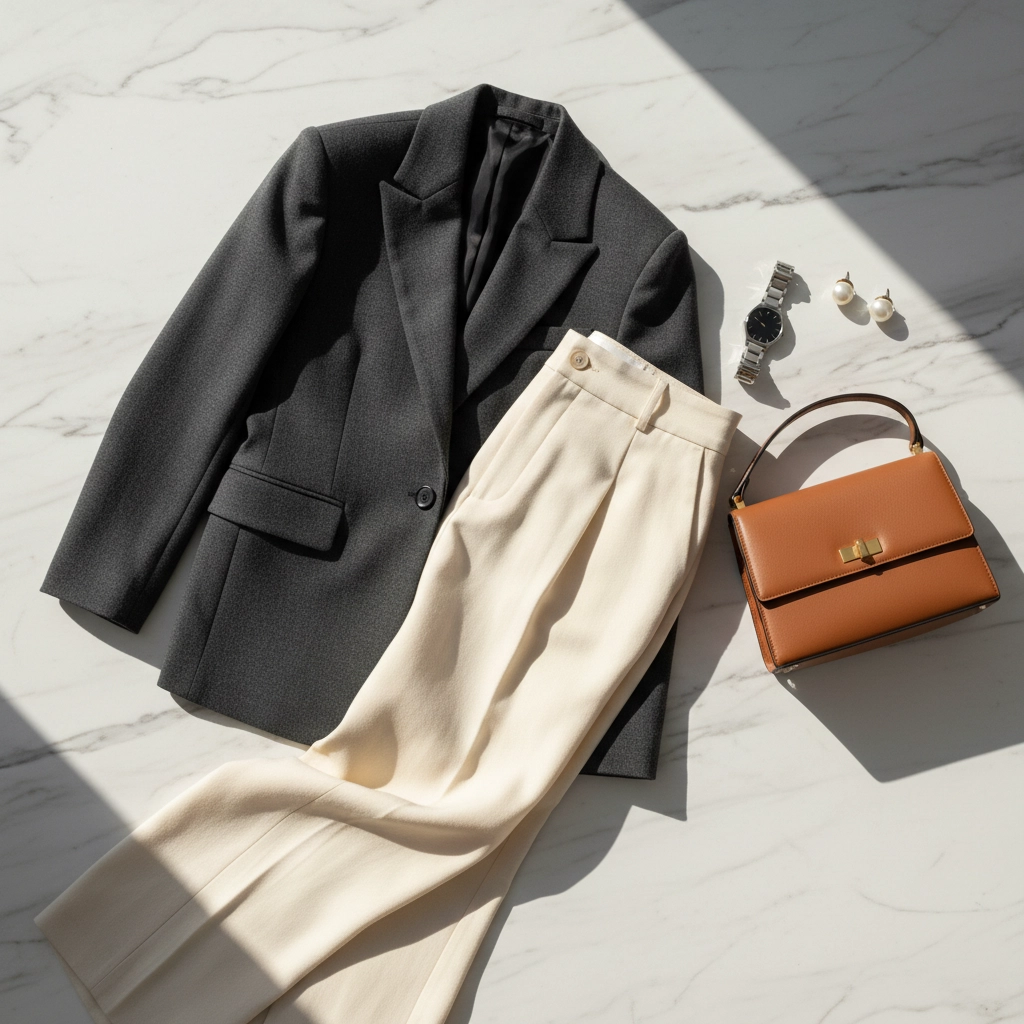
Color coordination forms the backbone of sophisticated style mixing. Limiting your palette to two or three base colors creates visual harmony in outfits that could otherwise feel chaotic. Neutral bases work exceptionally well: warm camel tones paired with crisp white deliver classic elegance, while charcoal gray and cream combinations create sophisticated depth. For more vibrant approaches, rich jewel tones like emerald, sapphire, or burgundy work beautifully as accent colors, adding richness without overwhelming your carefully curated look.
Texture repetition offers another powerful unifying strategy. A modern leather jacket paired with classic leather loafers creates textural harmony, while silk elements: perhaps a contemporary blouse and vintage scarf: tie different pieces together through shared materials. This approach allows you to mix dramatically different silhouettes while maintaining visual coherence.
The Art of Contrast and Balance
Creating strategic contrasts forms the heart of successful style mixing. The juxtaposition of different elements creates visual interest that elevates your entire look. A structured blazer from this season paired with vintage-inspired wide-leg trousers creates compelling contrast between sharp contemporary tailoring and classic proportions.
If your outfit leans traditional, add one modern element for edge: perhaps sleek minimalist jewelry with a classic dress, or contemporary sneakers with a timeless midi skirt. If your look is predominantly contemporary, introduce a classic piece for depth and character: a vintage brooch on a modern lapel, or a structured handbag with flowing contemporary silhouettes.
Proportion play becomes crucial when mixing different style periods. Balance a voluminous classic coat with slim contemporary pants, or pair a fitted modern top with wider classic trousers. This interplay of proportions creates visual movement and prevents any single element from overwhelming your silhouette.
Bridging Eras with Accessories
Accessories become your most powerful tools for creating harmony between different periods. Modern accessories can seamlessly incorporate traditionally styled pieces into contemporary outfits, while classic accessories add sophistication to purely modern ensembles.
Consider how a contemporary watch transforms a vintage-inspired dress, or how classic pearl earrings elevate a modern jumpsuit. A structured modern handbag can anchor a flowing bohemian-style dress, while vintage-style sunglasses add character to a minimalist contemporary outfit.
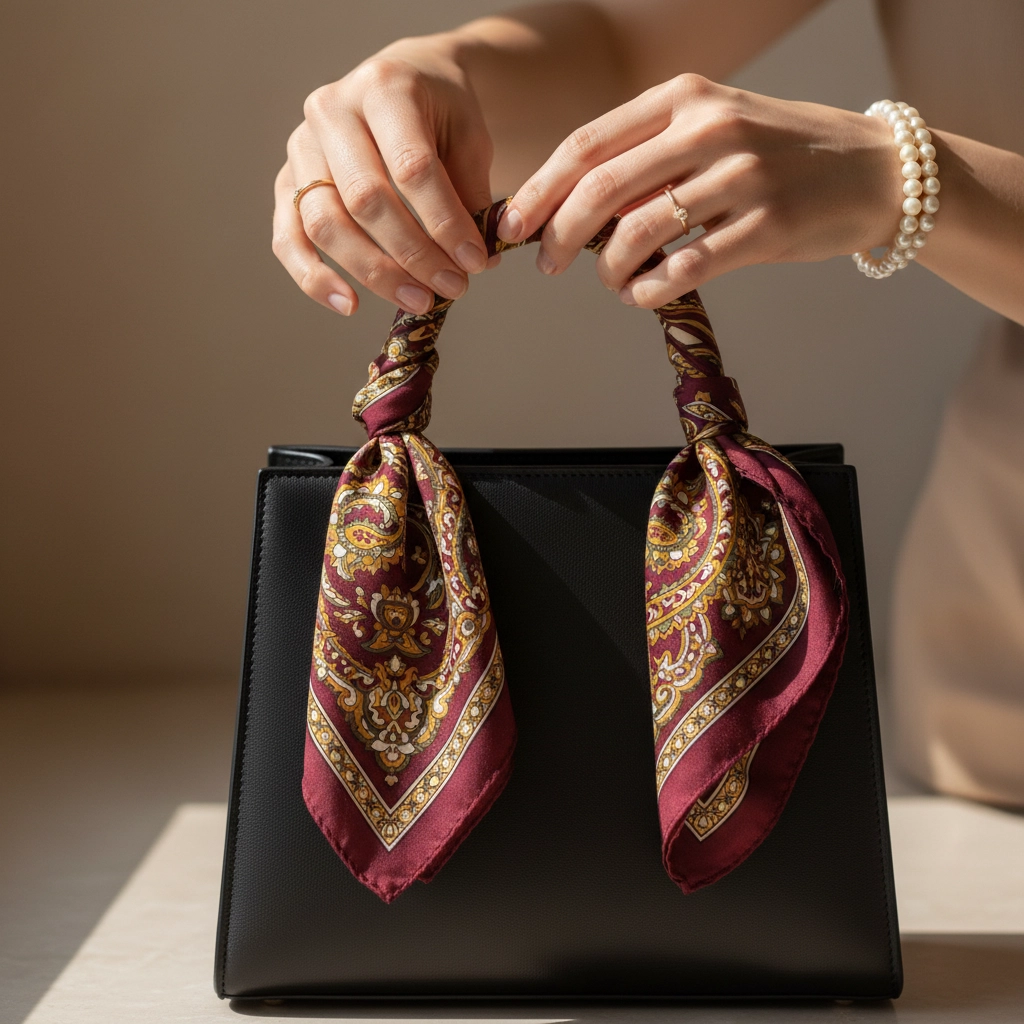
Layering accessories strategically allows you to experiment with different style combinations. A contemporary belt can define the waist of a classic A-line dress, while a vintage scarf tied around a modern handbag handle creates an unexpected style moment. The key lies in choosing accessories that complement rather than compete with your main pieces.
Mastering Color and Pattern Coordination
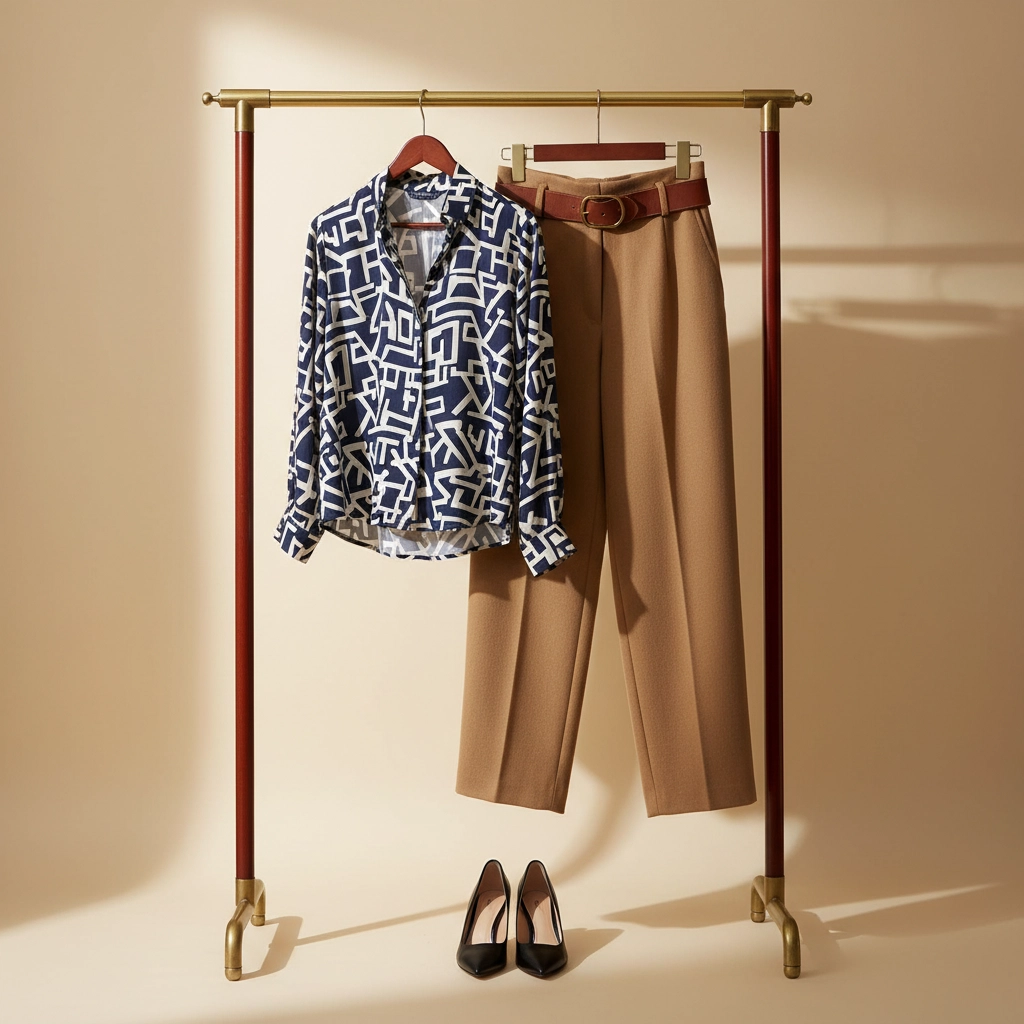
When mixing classic and contemporary pieces, pattern coordination requires particular finesse. The safest approach involves limiting yourself to one statement pattern per outfit while using solids to balance the visual weight. A contemporary geometric print top pairs beautifully with classic solid-colored trousers, while a vintage floral scarf can enliven a modern monochromatic outfit.
Color temperature consistency helps unify disparate pieces. Warm undertones in both classic and contemporary pieces create natural harmony: think camel, cream, and gold tones. Cool undertones work equally well: consider navy, gray, and silver combinations. Mixing color temperatures can work but requires more sophisticated color theory knowledge to execute successfully.
Building Versatile Outfit Formulas
Developing repeatable outfit formulas makes daily style mixing effortless while maintaining sophistication. Start with these proven combinations:
The Classic-Contemporary Power Look: Pair a timeless blazer with modern wide-leg trousers and contemporary accessories. This formula works for professional settings while allowing personal expression through color and accessory choices.
The Modern-Classic Casual: Combine contemporary jeans or sleek pants with a classic button-down shirt and vintage-inspired accessories. This approach creates effortless weekend elegance that feels neither too casual nor overdressed.
The Statement Mix: Choose one bold piece: either classic or contemporary: and surround it with neutral pieces from the opposite era. A vintage statement coat over a modern minimalist outfit, or a contemporary printed dress with classic accessories, exemplifies this approach.
Seasonal Adaptation Strategies
Transitional dressing becomes more sophisticated when you understand how to adapt your classic-contemporary mix across seasons. Lightweight contemporary fabrics can modernize classic silhouettes for summer, while traditional textures like wool and cashmere add richness to contemporary winter pieces.
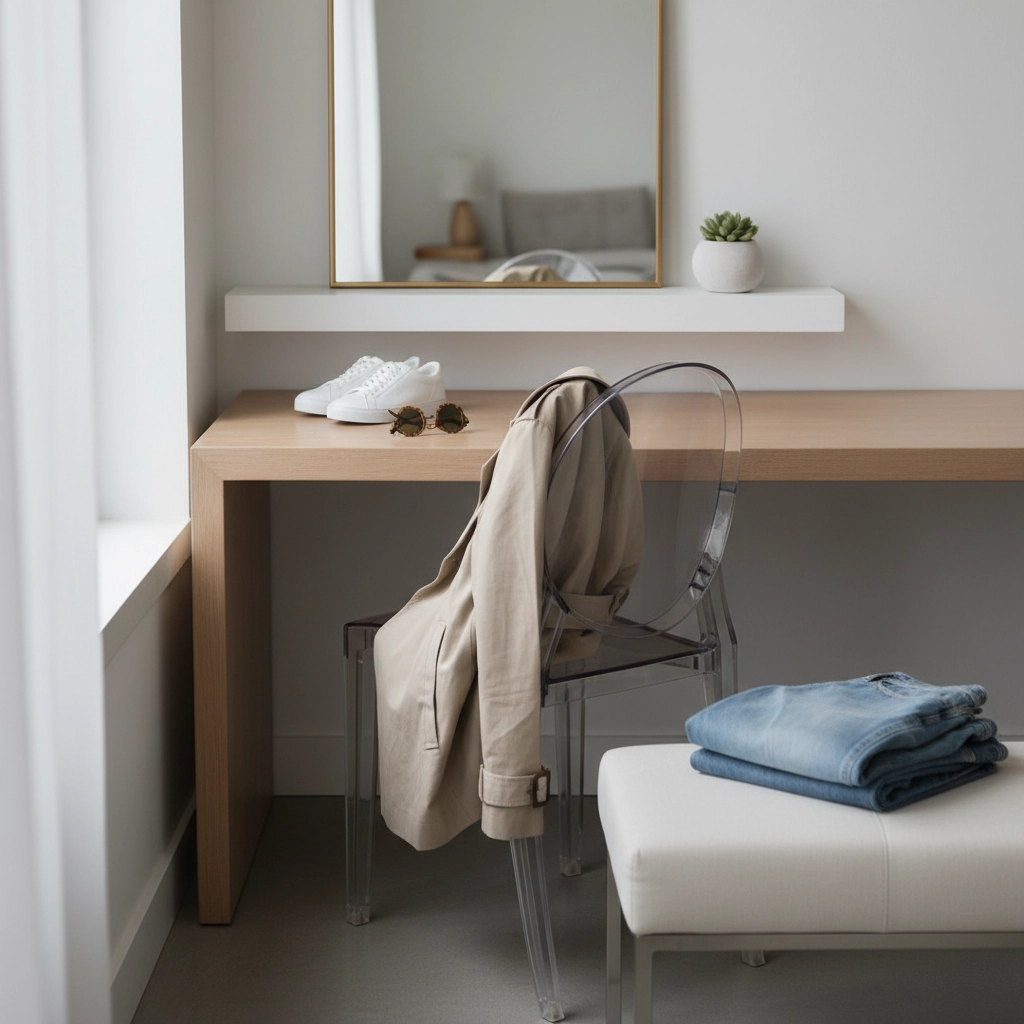
Spring calls for fresh interpretations: pair a classic trench with contemporary wide-leg jeans and modern sneakers. Summer allows for more experimental mixing: vintage-inspired prints with contemporary cut-outs or modern minimalist pieces with classic vintage accessories.
Fall provides the perfect backdrop for rich texture mixing: contemporary leather pieces with classic wool garments, or modern knits with vintage-style accessories. Winter encourages sophisticated layering: classic outerwear over contemporary base layers, unified through careful color coordination.
Quality Investment Principles
Strategic shopping ensures your style-mixing efforts create lasting impact. Invest in high-quality classic pieces that will serve as reliable foundations, well-tailored blazers, quality leather accessories, and timeless outerwear pieces. These anchors allow you to experiment with more affordable contemporary pieces without compromising overall outfit quality.
Focus on versatility when selecting both classic and contemporary pieces. Each item should work with at least three different styling approaches, ensuring maximum outfit potential from your wardrobe investment.
The Confidence Factor
Ultimately, the most successful signature looks emerge when you wear your mixed styles with complete confidence. This confidence develops through experimentation and understanding what combinations make you feel authentically yourself. Start with subtle style mixing: perhaps pairing one classic piece with an otherwise contemporary outfit: and gradually become more adventurous as you develop your personal aesthetic vocabulary.
Remember that the goal isn't to impress others with your knowledge of different fashion eras, but to create a personal style that feels natural and authentic to you. The most compelling signature looks appear effortless, even when they're the result of thoughtful curation and strategic mixing.
Your signature look should evolve with you, incorporating new pieces and ideas while maintaining the core aesthetic principles that make your style distinctly yours. This approach creates a wardrobe that feels both timeless and current, classic yet contemporary: the perfect foundation for confident, sophisticated personal style.